


Planning a trip to Ireland and wondering what to pack? After visiting Ireland in both June and October, I’ve learned that a good waterproof jacket, comfortable walking shoes and layers you can mix and match make a big difference.

Ireland’s weather can change throughout the day. You might start your morning exploring Dublin, spend the afternoon walking through a castle or along the coast, and finish the day driving through the countryside. You’ll want clothes that work for all of it without filling your suitcase with things you never wear.
In this guide, I’m sharing my Ireland packing list, the travel essentials I bring, what to wear in different seasons and what you can leave at home. I’ve also included a free printable Ireland packing list PDF to help you get organized before your trip.
Disclaimer: Links may contain affiliate links. This means I may get a small commission from the sale at no cost to you.
✔️ What to Pack for Ireland (Quick List)
- Waterproof rain jacket
- Comfortable waterproof shoes
- Layers (base + sweater + light jacket)
- Type G power adapter
- Travel-size toiletries
- Daypack + reusable water bottle

My biggest packing tip is to prepare for rain and wind, not just the temperature. A waterproof jacket and shoes you can comfortably walk in are more useful than packing several outfits for different occasions.
Download the Free Printable Ireland Packing List PDF
Want to check items off as you pack? Use my free printable Ireland packing list to organize your clothing, shoes, toiletries, electronics and important documents.
Pro tip: When flying anywhere, I always use Expedia to book my flights and travel plans, including Ireland. In addition to flights, I also use it to book hotels and car rentals. The convenience of it all being on one app is a bonus for me.

Packing cubes are amazing! If you don’t use them yet, I highly recommend purchasing some. This is the set I have. They are key for organization and I feel like I can pack more in my suitcase because of them.


What Clothes Should You Pack for Ireland?
The best clothing for Ireland is comfortable, practical and easy to layer. You don’t need a completely different outfit for every day, especially if you’re planning a road trip with frequent stops along the way.
Instead, choose a few colors that work together so you can repeat pieces and create different outfits.


Love these beautiful scenes from our Ireland itinerary. There is beauty everywhere you look.
1. A Waterproof Rain Jacket
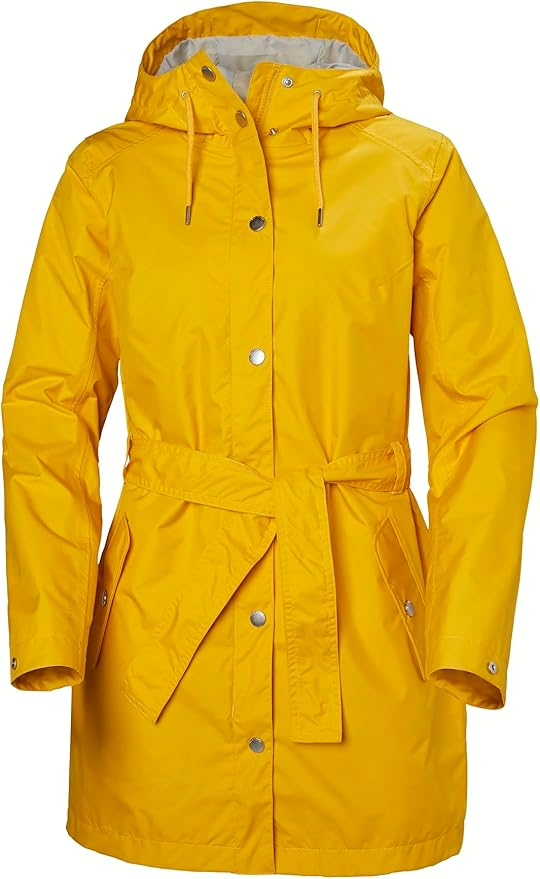
If there’s one clothing item I’d put at the top of an Ireland packing list, it’s a waterproof jacket with a hood.
I brought a regular raincoat on my June trip and a fleece-lined option for my October visit. The extra warmth was useful in October, especially when spending time outdoors.
Choose your jacket based on the season.
- Summer: A lightweight waterproof rain jacket that you can wear over a T-shirt or sweater.
- Spring and fall: A waterproof jacket with room for a fleece or warm sweater underneath.
- Winter: A warmer waterproof coat, ideally with wind protection.
I like Helly Hansen raincoats for their practical outdoor styles. You can also look at this fleece-lined jacket for colder days or a warmer coat for winter travel.
Whatever you choose, make sure it fits comfortably over your other layers.


2. Sweaters and Lightweight Layers
Layers make it easier to adjust when the weather changes. Pack a few lightweight tops, long-sleeved shirts and sweaters rather than relying on one bulky coat to keep you warm.
For a cooler-weather trip, consider adding a thermal base layer. I like Smartwool base layers, especially when traveling somewhere chilly or spending long periods outdoors.
A practical clothing combination might look like this.
- A T-shirt or long-sleeved top
- A sweater or fleece
- A waterproof jacket
- Comfortable pants
- Waterproof walking shoes
You can add or remove layers as needed throughout the day.


When it comes to the best base layers, Smartwool is my go-to. This is a high-quality buy, but a great staple to have if you live in or travel to cold climates. Base layers are an important item to add to your printable packing list if you’re heading to Ireland in the winter months.

3. Comfortable Pants and Everyday Outfits
You don’t need a special wardrobe for Ireland. I tend to choose comfortable pants, casual tops and pullovers that are easy to wear while sightseeing.
Brands such as PrAna have comfortable travel clothing, and I like having a few versatile pieces that work for both walking around a city and exploring the countryside.
For your Ireland packing list, consider bringing:
- Two or three pairs of comfortable pants, depending on trip length
- Several tops that coordinate with each other
- One or two sweaters or pullovers
- Comfortable clothing for relaxing at your accommodation
- Sleepwear
- Enough socks and underwear for your trip, plus a few extras
You can adjust these quantities if you have access to laundry. If you plan to spend most of your time outdoors, prioritize comfort over dressy outfits.


Here is another great outfit to add to your Ireland wardrobe from Amazon. Just be sure to have that waterproof raincoat from your printable packing list handy because in Ireland, rain can come anytime.


4. What to Wear in Ireland in June, July and August
Summer is a good time to pack lightweight clothing, but don’t assume you’ll have warm weather every day.
Bring T-shirts, long-sleeved tops, comfortable pants and a light sweater. Keep your rain jacket accessible rather than buried at the bottom of your suitcase.
A portable fan may also be useful if you’re sensitive to warm indoor temperatures. Some accommodations don’t have air conditioning, so check your lodging details before you travel.
If air conditioning is important to you, see my guide to hotels in Ireland with air conditioning.
5. What to Wear in Ireland in October and Winter
For an October trip, I’d pack warmer layers than I would for June. My fleece-lined raincoat was useful, and I’d bring a warm sweater, comfortable pants and waterproof shoes again.
For winter, add:
- Thermal base layers
- Warm sweaters
- A warmer waterproof coat
- Wool or thermal socks
- A hat and scarf
- Gloves, preferably waterproof if you’ll be outdoors for long periods
Ireland’s coastal areas can feel colder when the wind picks up. Layers give you more flexibility than relying on one thick sweater.
The Best Shoes for Ireland
Comfortable shoes are essential in Ireland. You’ll likely spend time walking on city streets, cobblestones, uneven paths and damp ground, so choose footwear that fits well and has good traction.
I prefer bringing shoes I’ve already worn and know are comfortable. A trip isn’t the time to discover that your new boots rub your heels.
1. Waterproof Hiking Boots
I have owned my Keen waterproof hiking boots since 2017, and they’ve held up well. I brought them to Ireland in June and was glad to have them for outdoor exploring.
If your itinerary includes countryside walks, trails or places where the ground may be wet, waterproof hiking boots are worth considering.

Make sure you break them in before leaving home.
2. Comfortable Walking Shoes

You’ll want a second pair of shoes for city sightseeing, airports and everyday walking. My go-to running shoes have included On Cloud shoes.
For longer trips, a second pair also gives your shoes time to dry if they get wet.
3. Other Waterproof Shoe Options
On my Ireland travels, I’ve also used Sorel boots, Sorel walking shoes and Vessi shoes.
- Sorel Chelsea boots are an option for city walks and casual dinners.
- Sorel walking shoes can work for days with lots of walking.
- Vessi waterproof shoes are another option for travelers who want casual footwear that can handle wet conditions.
You don’t need to bring every type of shoe listed here. I’d choose one dependable pair of walking shoes and one waterproof pair that suits your itinerary. Add a dressier option only if you’ll actually wear it.
If your shoes need extra protection, consider waterproofing spray and follow the manufacturer’s directions.


Should You Pack a Hat, Scarf and Gloves?
For June, I didn’t find gloves necessary on my trip. For October and winter, I’d consider bringing a hat and scarf, especially if you’ll be spending time near the coast or walking outdoors.
Waterproof gloves are useful in colder, wet conditions. You can find an option here.
An umbrella is a personal choice, but I wouldn’t rely on one as your main rain protection. During our June trip, the wind made my umbrella difficult to use. A waterproof jacket with a hood is the more dependable item to pack.
Of course, if you plan to go during chillier months, bring along waterproof gloves. You will also not regret a hat and scarf!


Ireland Travel Essentials You Shouldn’t Forget
Clothing gets most of the attention when you’re packing, but a few smaller items can make your trip easier.
1. A Type G Power Adapter
Ireland uses Type G electrical outlets and a 230V power supply. If you’re traveling from the United States, you’ll generally need a plug adapter for compatible devices.
I recommend a Type G adapter if Ireland is your only destination. If you’re visiting several countries, a universal travel adapter may be more convenient.

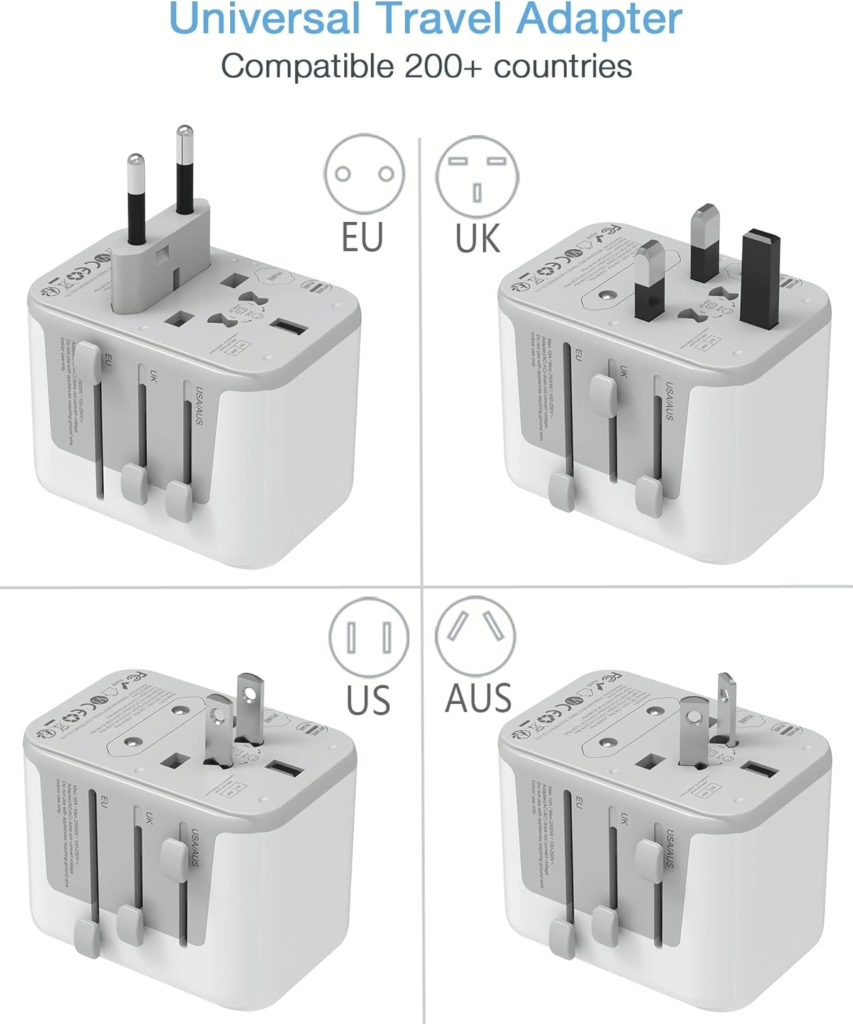
Keep in mind that a plug adapter changes the shape of the plug, not the voltage. Check the voltage information on each device and follow the manufacturer’s instructions. A device rated only for 120V should not be plugged into Ireland’s 230V supply using a simple adapter.
I usually use the hair dryer supplied by my accommodation instead of packing one. If you want to bring your own styling tool, I use a dual-voltage hair straightener and curler. You still need a suitable plug adapter.
For more information, read my guide to the power adapter you need for Ireland.

2. Toiletries and Personal Care Items
Bring your regular toiletries or transfer them into travel-size containers. Most travelers can keep this part of their packing list simple.
I recommend packing:
- Toothbrush and toothpaste
- Shampoo and conditioner, if you prefer your own
- Face wash and moisturizer
- Sunscreen
- Lip balm
- Deodorant
- Hairbrush or comb
- Any personal hygiene products you use
- Prescription medications and basic first-aid supplies
A travel toiletry bag and refillable travel bottles can help keep everything organized.


3. Passport and Travel Documents
Keep your passport and important documents somewhere secure and easy to access.
Before leaving, check your passport’s validity and confirm the entry requirements that apply to your citizenship and itinerary. Keep copies of important documents separately from the originals.

Your document checklist should include:
- Passport
- Flight confirmations
- Accommodation details
- Rental car or transportation reservations
- Travel insurance information
- Copies of important documents

I also like having a small crossbody bag for travel days. The bag I use keeps everyday essentials close by.
4. A Travel Pillow for the Flight
Depending on where you’re flying from, getting to Ireland can mean a long flight. A travel pillow can make it easier to rest along the way.
My husband prefers the Bcozzy travel pillow, while I like the Trtl travel pillow.
Choose the one that feels comfortable for you. A pillow that works for one traveler may not work as well for someone else.
5. A Backpack or Day Bag
A small backpack or day bag is useful for carrying your phone, water bottle, snacks, camera and extra layer while sightseeing.
I use a travel backpack with room for my electronics and other essentials. If your plans include hiking or spending time in wet conditions, consider a dry bag to protect your belongings.


I also use a waterproof phone pouch when I’m around water or expect wet weather. It lets me protect my phone without leaving it behind when I want to take photos.
6. A Reusable Water Bottle
I like bringing a reusable water bottle when I travel. For flights, a collapsible bottle is especially convenient because it takes up less room when empty.
I bought collapsible water bottles for my family and have used them on trips to Ireland in both June and October.


Fill your bottle after airport security when possible, then carry it with you while sightseeing or driving through the countryside.
You can read my travel water bottle review for more information.
7. A Camera and Charging Accessories
Ireland has plenty of places where you’ll want to stop and take photos. I like bringing my camera, especially on road trips with scenic viewpoints and historic sites.
Your phone may be all you need, though. If you prefer traveling light, use the camera you already enjoy carrying.

If you bring a camera, remember to pack:
- Camera and lens
- Batteries and charger
- Memory cards
- A protective bag
- The correct power adapter
I wouldn’t want to miss a photo opportunity because I forgot a charger or ran out of battery.
8. Packing Cubes and Luggage
Packing cubes help me keep clothing organized, especially when moving between accommodations during a road trip.
I use a set of packing cubes and travel with a Samsonite luggage set. Choose luggage that’s easy for you to lift and maneuver, particularly if your itinerary includes train stations, stairs or smaller accommodations.


You don’t need expensive luggage to travel well. The most important thing is to choose a size that fits your packing style and transportation plans.
9. A Portable Fan or Top Sheet
These are optional items rather than essentials, but they may be worth considering if you’re particular about sleeping conditions.
Some accommodations in Ireland don’t have air conditioning. If you tend to sleep warm, a portable travel fan may help.


I also found that a top sheet was nice to have during a couple of warmer days in June. If you know you prefer sleeping with one, you could pack a lightweight option. Otherwise, I’d leave it at home and save the suitcase space.
10. Cash and Payment Cards
Cards are widely used in Ireland, so you generally don’t need to carry a large amount of cash. Bring a debit or credit card that works internationally and check with your bank about any foreign transaction fees.
A small amount of cash can still be useful for situations where cards aren’t accepted. Remember that the Republic of Ireland uses the euro, while Northern Ireland uses the British pound.
If you’d prefer to keep your money and documents close to you, consider a travel money belt. It’s optional, but some travelers like having one.

What Not to Pack for Ireland
You can save suitcase space by leaving a few things at home. I tend to overpack, so I try to focus on items I’ll genuinely use.
1. A Bulky Umbrella
I brought an umbrella on our June trip but found it difficult to use when the wind picked up. A compact umbrella may be useful on calmer days, but I’d prioritize a waterproof jacket with a hood.
2. Too Many Shoes
Shoes take up a lot of space. Unless your itinerary requires specialized footwear, two comfortable pairs are often enough for a typical sightseeing trip.
Choose shoes that work with multiple outfits and that you’ve already worn comfortably.

3. Heavy Coats You Don’t Need
Your outerwear should match the season and forecast. A heavy winter coat may be unnecessary in summer, while a lightweight rain jacket alone may not be enough for a winter trip.
Check the weather before you leave and choose a coat that works with layers.
4. High Heels and Formal Shoes
Most sightseeing in Ireland calls for practical footwear. If you have a special dinner or event planned, bring shoes for that occasion, but you probably don’t need several dressy pairs.
5. Expensive Jewelry
I prefer keeping jewelry simple while traveling. You can spend your days walking, hiking and exploring without worrying about losing or damaging special pieces.
6. A Hair Dryer
Many accommodations provide a hair dryer, so check before packing one. If you bring a U.S. hair tool, verify its voltage compatibility. A plug adapter alone does not convert voltage.

7. Full-Size Towels
Hotels and many vacation rentals provide towels, so a bulky bath towel usually isn’t necessary. If you know you’ll need a towel for a specific activity, choose a lightweight, quick-drying travel towel instead.
8. Too Many Outfits
You don’t need a separate outfit for every day. Pack pieces that work together, repeat your favorite combinations and leave room for a little flexibility.
9. Large Amounts of Cash
A small amount of cash is enough for most travelers who have a working payment card. Avoid carrying more cash than you need.
10. Items That Can’t Handle the Weather
Rain, wind and coastal mist can affect your plans. Use a waterproof pouch or protective bag for electronics and other valuables, and avoid bringing items that would be difficult to protect outdoors.
Pre-Trip Planning Tips for Ireland
Packing is easier when you’ve taken care of the basics before leaving home. Add these tasks to your travel checklist.
1. Check Your Passport and Entry Requirements
Check your passport’s validity and confirm the current entry requirements for your nationality. If you’re visiting both Ireland and Northern Ireland, check the requirements that apply to your full itinerary.
Keep digital copies of important documents in a secure location.
2. Arrange Transportation

If you’re renting a car, book ahead, particularly if you need an automatic transmission. If you’ll use public transportation, save your important schedules and booking details so you can access them when you need them.
For a road trip, review your route before leaving and allow time for scenic stops.
3. Reserve Popular Attractions
Some popular attractions and tours have limited availability, especially during busy travel periods. If there are specific places you don’t want to miss, check their booking requirements before your trip.
My Ireland itinerary can help you plan your route and decide what to prioritize.
4. Consider Travel Insurance
Review your options and choose coverage that fits your trip, including any relevant medical expenses, cancellations or transportation disruptions.
Read the policy details so you understand what is and isn’t covered.
5. Download Offline Maps
Mobile service can be unreliable in some rural areas. Download maps before you leave so you can navigate even when your connection is limited.
This is especially useful if you’re exploring the Dingle Peninsula or planning a drive through the countryside.
6. Prepare Your Payment Cards
Check that your cards work internationally and review any fees that may apply. If your itinerary includes Northern Ireland, remember that you’ll encounter a different currency from the Republic of Ireland.
7. Check the Weather Before You Pack
Look at the forecast for the places you’ll visit, not just Dublin. Your clothing needs may differ depending on the season, coast, countryside and planned activities.
You can check the Met Éireann forecast before your trip and make any final adjustments to your packing list.
8. Plan Your First Night
After a long flight, it’s helpful to know exactly where you’re going and how you’ll get there. Book your first night’s accommodation in advance and keep the address and check-in details accessible.
On our trip, we arranged our first night so we could get to our accommodation after arriving early in Dublin. It made the arrival day easier because we didn’t have to find a place to stay while tired.
9. Share Your Itinerary
If you’re traveling around the countryside or taking a road trip, share your general itinerary with someone at home. Keep your reservation details and important contact information accessible during your travels.

Ireland Packing List FAQs
What should I pack for a week in Ireland?
For a week in Ireland, pack a waterproof jacket, comfortable walking shoes, a few layers, versatile pants, toiletries, a Type G power adapter and your travel documents. Add warmer clothing or hiking gear based on the season and your planned activities.
What should I wear in Ireland in June?
Pack lightweight layers, comfortable pants, walking shoes and a waterproof rain jacket. Summer weather can vary, so bring a sweater for cooler mornings and evenings.
What should I pack for Ireland in October?
For October, bring a warmer waterproof jacket, sweaters, long-sleeved tops, comfortable pants and waterproof shoes. A hat and scarf may also be useful, especially for outdoor activities and coastal stops.
Do I need waterproof shoes in Ireland?
Waterproof shoes are a good choice if you’ll be walking outdoors, exploring the countryside or visiting places where paths may be wet. I brought my Keen waterproof hiking boots and found them useful on our trip.
For city sightseeing, choose comfortable walking shoes with good traction. Ideally, bring footwear that can handle your planned activities and the forecast.
What type of power adapter do I need for Ireland?
Ireland uses Type G plugs and a 230V power supply. Travelers from the United States generally need a suitable plug adapter, and they should check whether each electronic device supports the local voltage. A simple plug adapter does not convert voltage.
Should I bring an umbrella to Ireland?
You can bring a compact umbrella if you like, but wind can make umbrellas difficult to use, especially near the coast. I recommend prioritizing a waterproof jacket with a hood.
Do I need cash in Ireland?
Most travelers can use payment cards for many purchases, but carrying a small amount of local currency can be helpful. The Republic of Ireland uses euros, while Northern Ireland uses pounds sterling.
Final Thoughts on This Ireland Packing List
Packing for Ireland is easier when you focus on comfort, layers and protection from wet weather. You don’t need to bring your entire wardrobe, but you do want shoes that can handle long walks and a jacket that keeps you comfortable when the weather changes.
I visited Ireland in June and October, and my most useful items included a waterproof raincoat, comfortable walking shoes, my Keen hiking boots and the correct power adapter. Use the season-specific advice in this guide to decide what makes sense for your trip.
Before you go, download the free printable Ireland packing list PDF so you can check off your essentials and head to Ireland feeling prepared.
Safe travels, and don’t forget to download your free printable packing list PDF for Ireland!

Search for flights to Ireland with Expedia. When I plan my Ireland itinerary, I book most travel on Expedia. I like the convenience of all the information on one convenient app.
After you figured out what to clothes to pack for you Ireland vacation, here are some epic itineraries and tips to make your adventure amazing.


6 Responses
This packing guide is incredibly helpful for anyone planning a trip to Ireland. The detailed recommendations ensure travelers are well-prepared for the trip.
Thank you! I am happy you found it useful! Have a wonderful trip 🙂
Wow! This blog looks just like my old one! It’s on a completely different subject but it has pretty much the same layout and design. Great choice of colors!